On July 27, an NCUT delegation began a three-week summer study program at Brunel University London. The group included 21 students from Brunel London School majoring in Data Science and Big Data Technology, Civil Engineering, and Mechanical Design, Manufacturing and Automation. During the first week, students focused on a robotics control project. Under the guidance of Brunel faculty, they studied control principles, discussed technical approaches, and began building robot structures in preparation for integrating AI-based control. The program also featured campus orientation, science and technology visits, presentations, and cultural experiences in London.
Settling into Campus Life
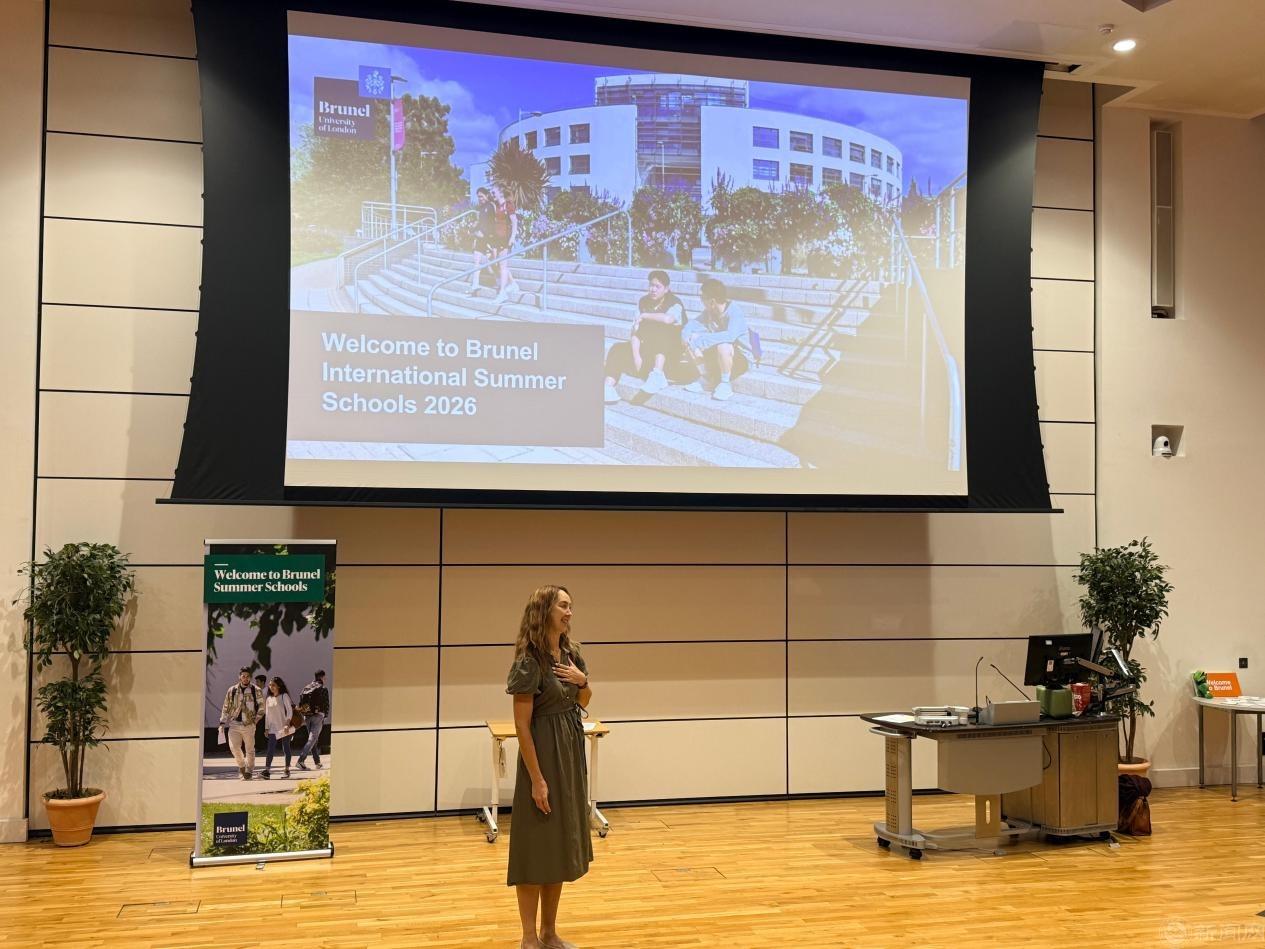
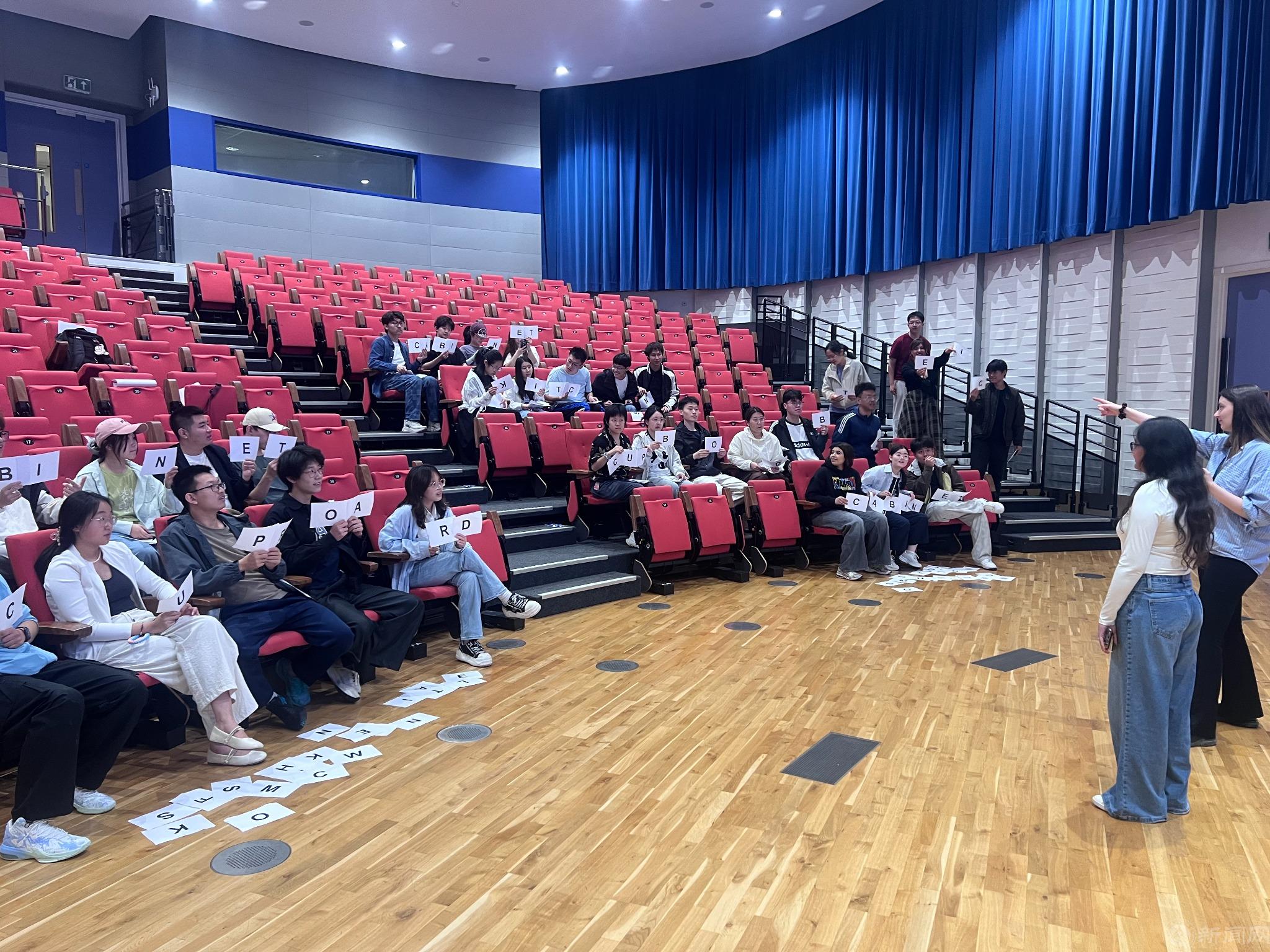
At the opening session, Kirsty Smith, Deputy Director of the Global Engagement Office (GEO) at Brunel University London, introduced campus resources, the course schedule, and practical guidance for summer study. Other GEO staff led interactive activities to help the students get to know one another. The delegation then toured teaching buildings, the sports centre, and other campus facilities, quickly settling into its new academic and living environment.
Exploring Brunel's Engineering Heritage
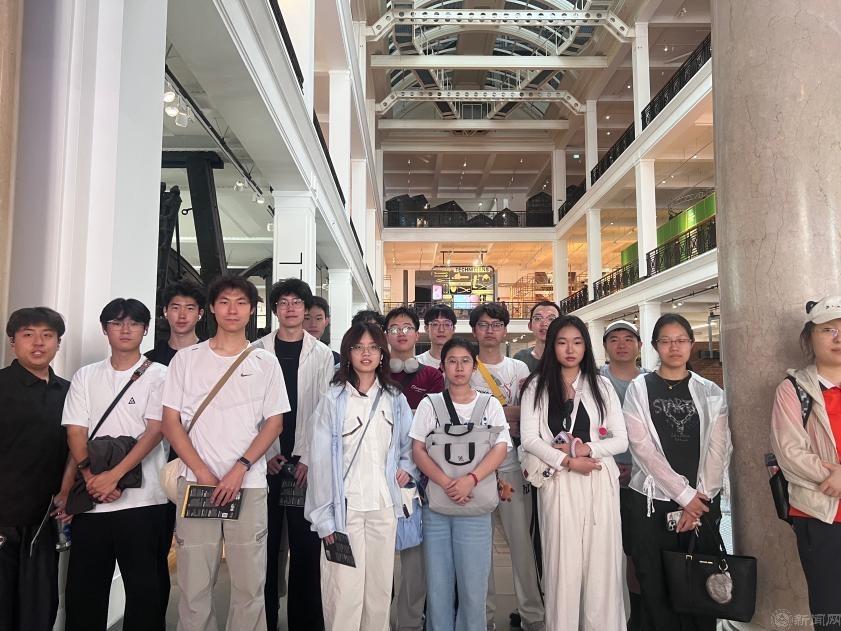
The program combined academic study with an introduction to British engineering culture. Professor Maozhen Li of Brunel's College of Engineering, Design and Physical Sciences discussed the University's engineering education heritage through the story of its namesake, British engineer Isambard Kingdom Brunel. The delegation later visited the Science Museum in London, exploring exhibitions on space exploration, machinery, and major milestones in technological development. Together, the classroom and museum experiences deepened the students' understanding of the links among engineering innovation, technological progress, and social development.
Advancing the Robotics Control Project
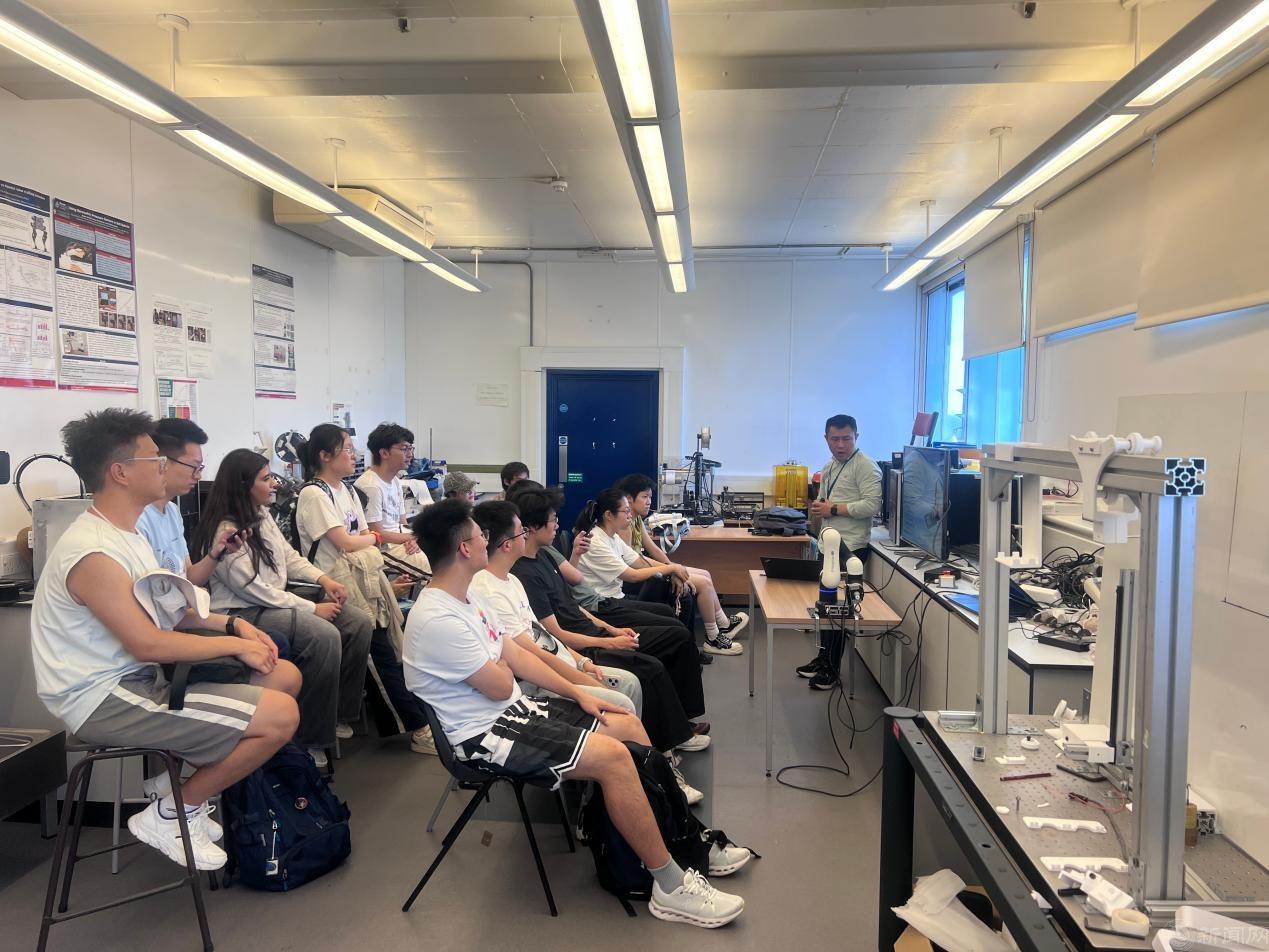
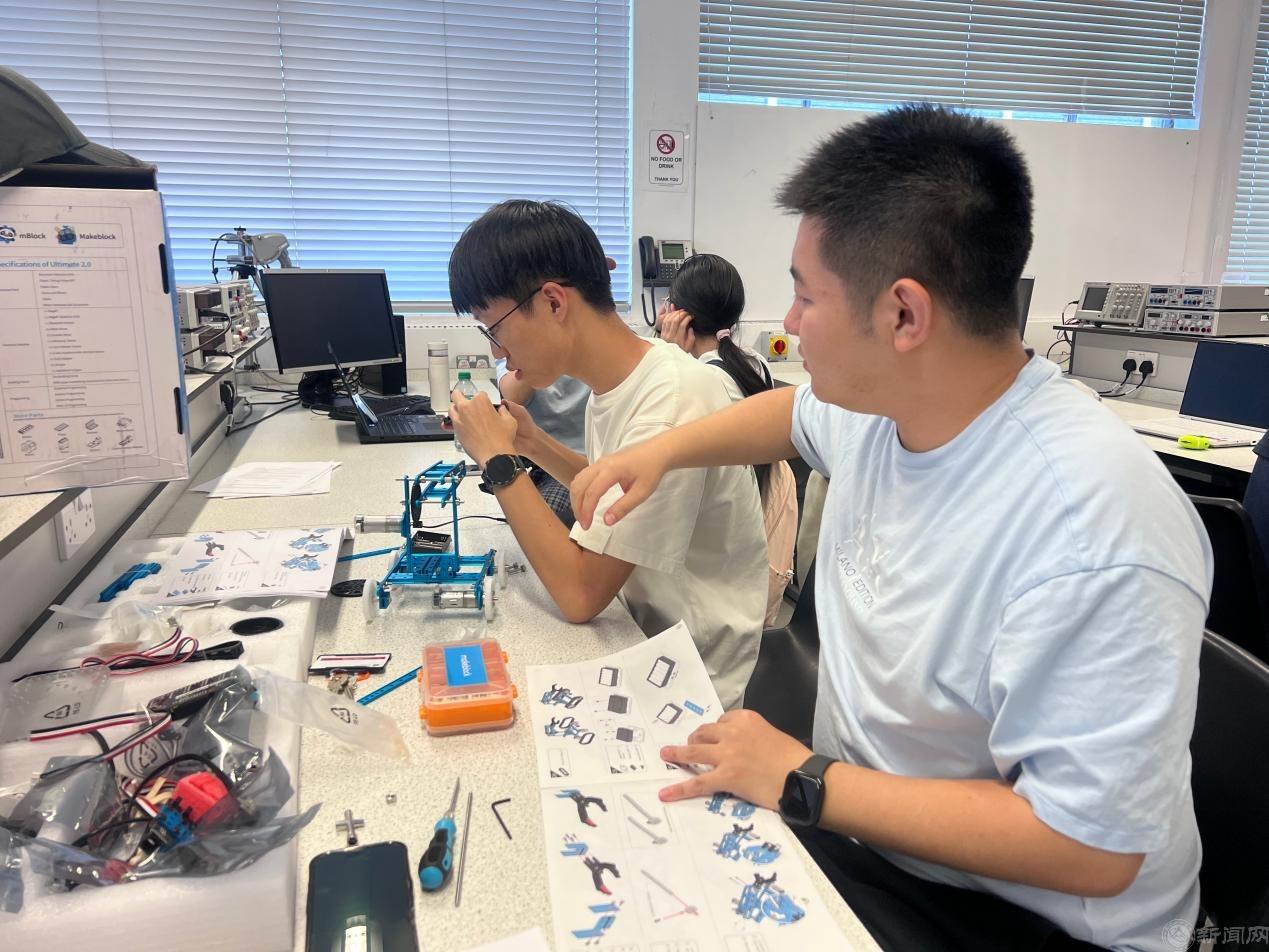
Robotics control was the program's central academic project. In the laboratory, the students were divided into two teams to work on robot control and assembly. Instructors introduced the components of a robotic system, basic control principles, and the project objectives. Drawing on their different academic backgrounds, the teams discussed technical approaches and assigned responsibilities for structural assembly, component connections, control implementation, and subsequent testing.
As the project progressed, the students moved from understanding principles to hands-on work. They consulted technical documents, identified mechanical and electronic components, and discussed assembly sequences and control logic to develop preliminary plans. Team members shared problems as they arose and adjusted their roles and procedures accordingly. This project-based approach turned classroom knowledge into practical tasks and strengthened the students' engineering thinking, teamwork, and problem-solving skills.
Connecting Robotics with Artificial Intelligence
Following a lecture featuring demonstrations of AI software, the students learned about typical applications of AI-powered systems and current industry trends, and related these insights to their robotics project. By the end of the first week, both teams had gained a solid understanding of robot control principles and moved on to structural construction, component assembly, and functional planning. In the next stage, they will refine their structures and basic control schemes, conduct system debugging, and explore the use of AI methods for more flexible control and optimization.
Developing Presentation and Cross-cultural Communication Skills
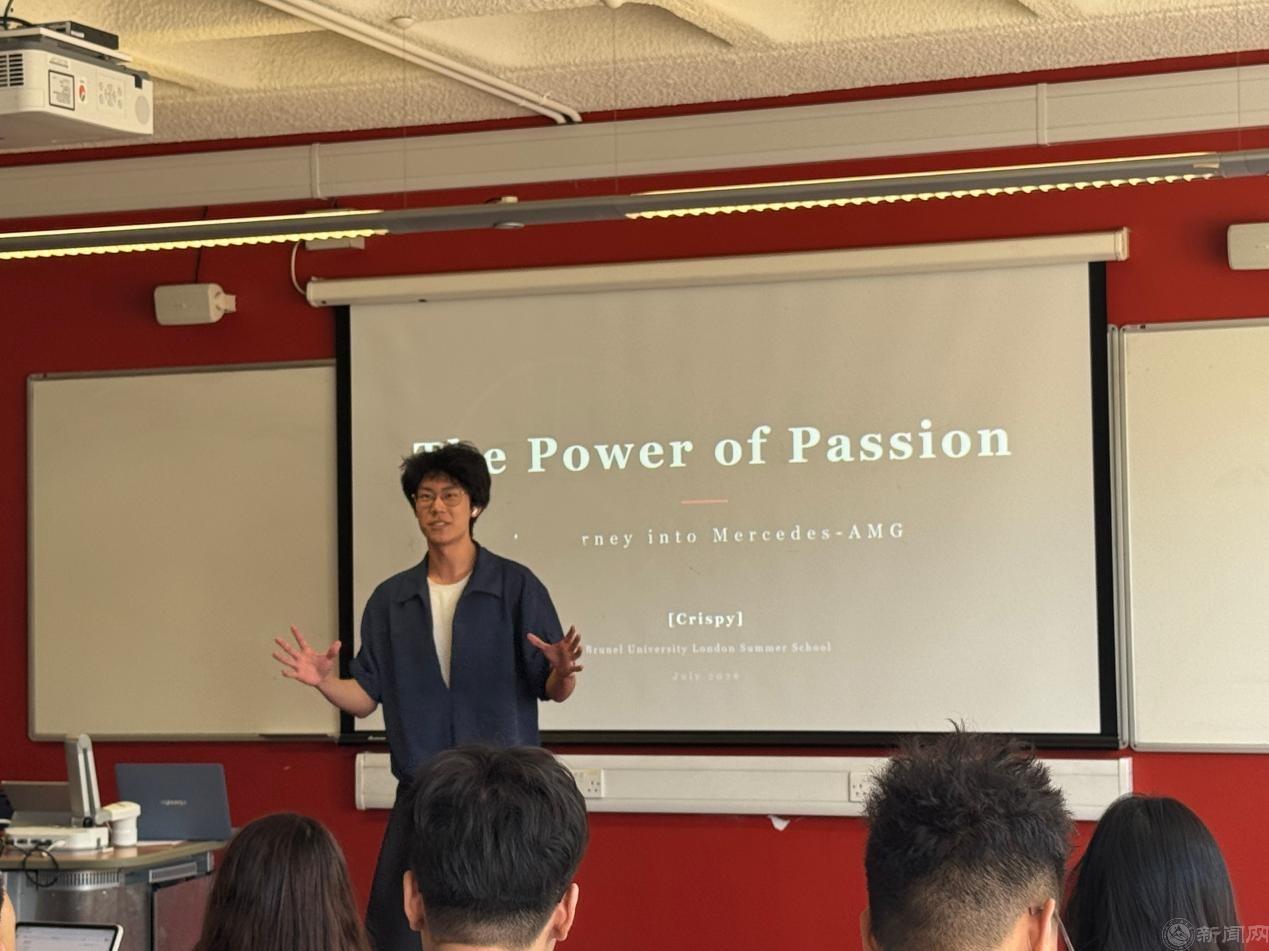
Alongside the engineering project, the program included individual project presentations and themed talks. Students delivered 10-to-20-minute presentations in English on their research interests, emerging technologies, music, motorsport culture, and other topics. Through listening, questions, and discussion, they became more comfortable communicating in an unfamiliar language environment and improved their logical expression, confidence, and cross-disciplinary communication skills.
Learning through London
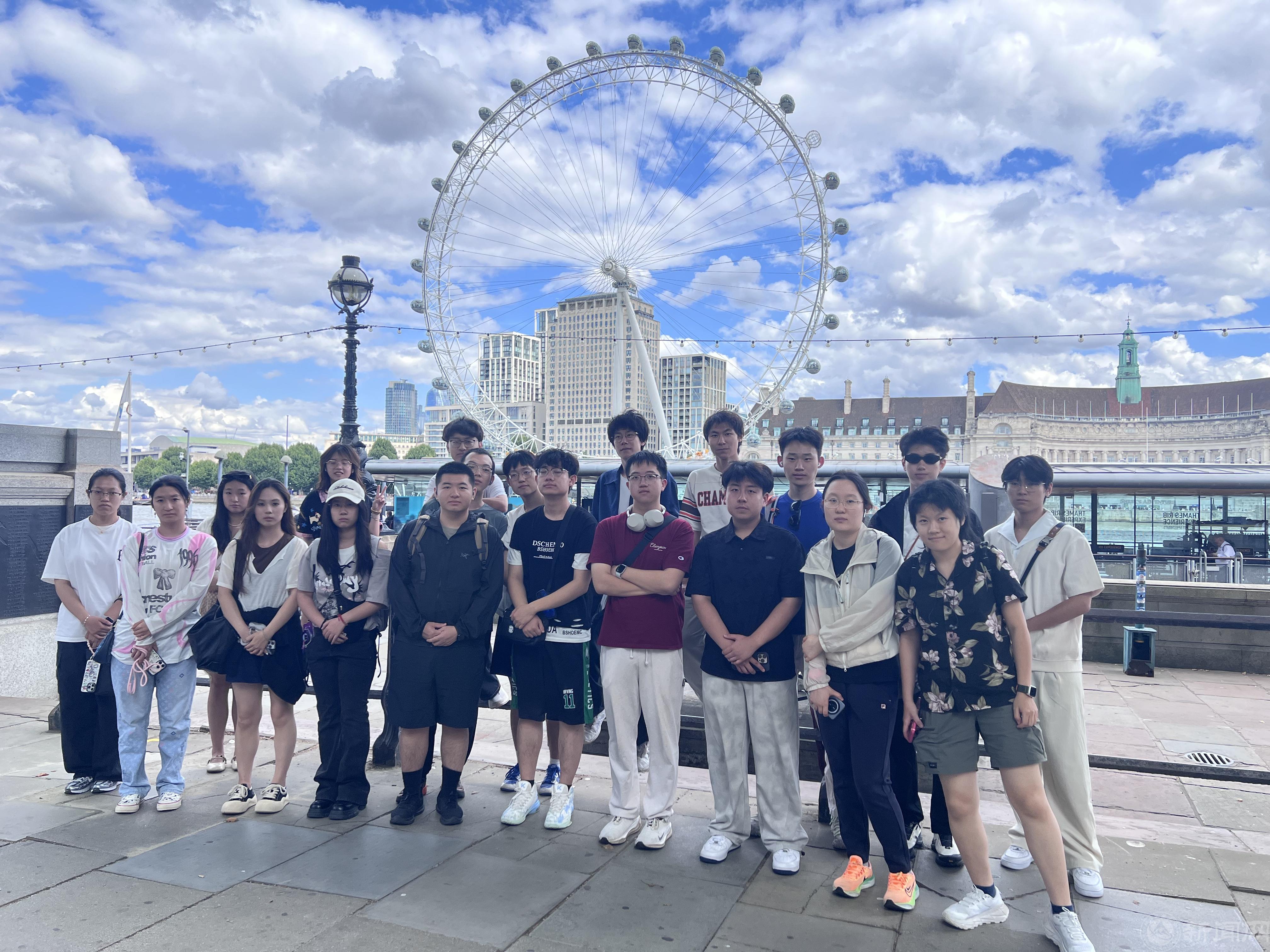
The delegation also visited landmarks including Big Ben, the River Thames, and the London Eye, experiencing the city's historic architecture, public spaces, and urban culture at close range. During a boat trip on the Thames, the students viewed London's riverside landscape and discussed the relationship between historical traditions and modern urban development. These cultural experiences complemented the program's academic and engineering activities, making the visit a broader opportunity to develop international perspectives.
During the first week, the delegation adapted well to academic and daily life at Brunel University London. Both teams progressed from studying control principles to building robot structures, while presentations, science and technology visits, and cultural activities further enriched the students' learning. They will continue to refine their robot structures and control schemes, conduct system debugging, and explore applications of AI in robotics control as they work toward more complete project outcomes. Throughout the week, the students demonstrated enthusiasm, initiative, and a positive spirit.